Stories Carved in Cedar: Tlingit Art and Totem Poles
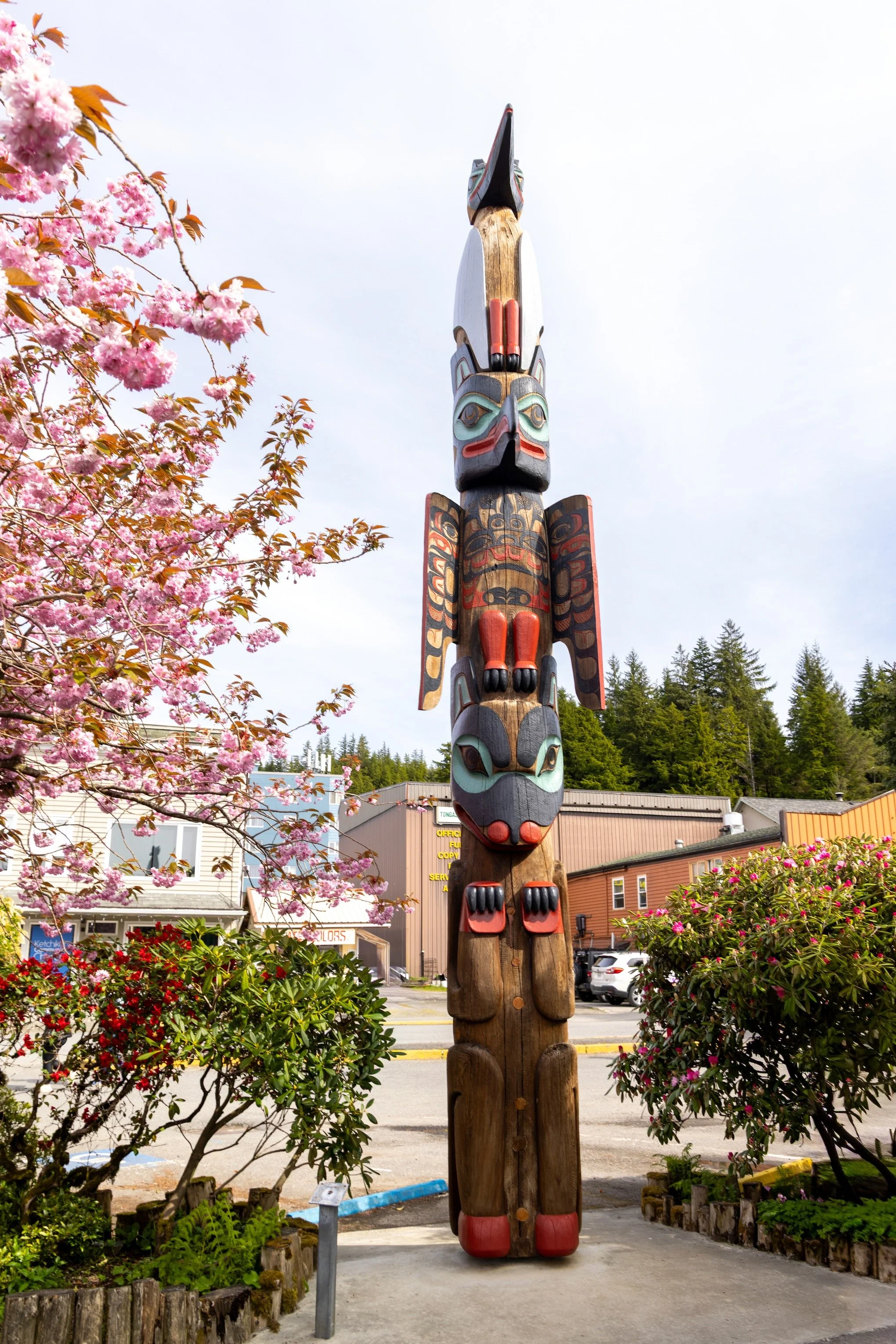
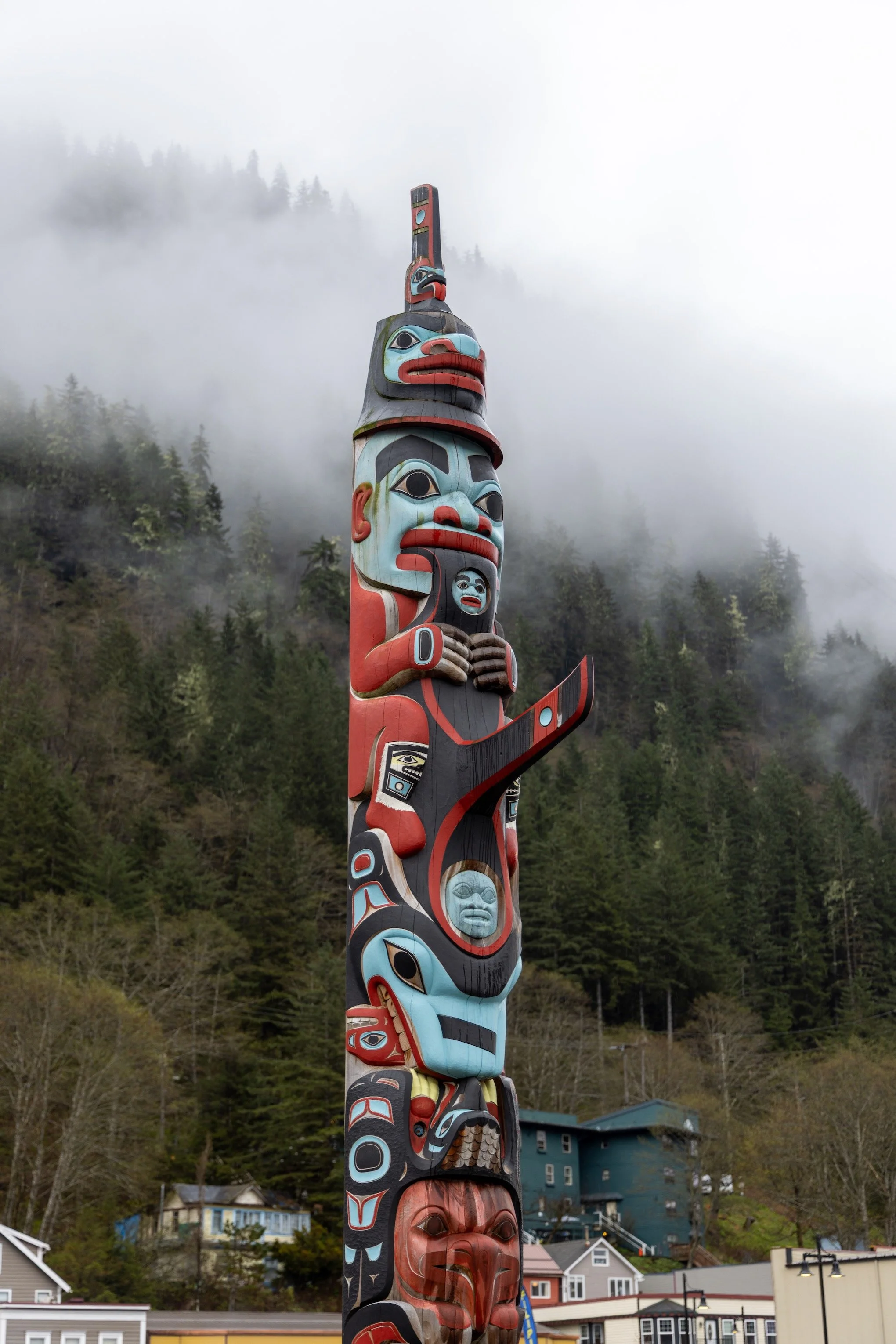
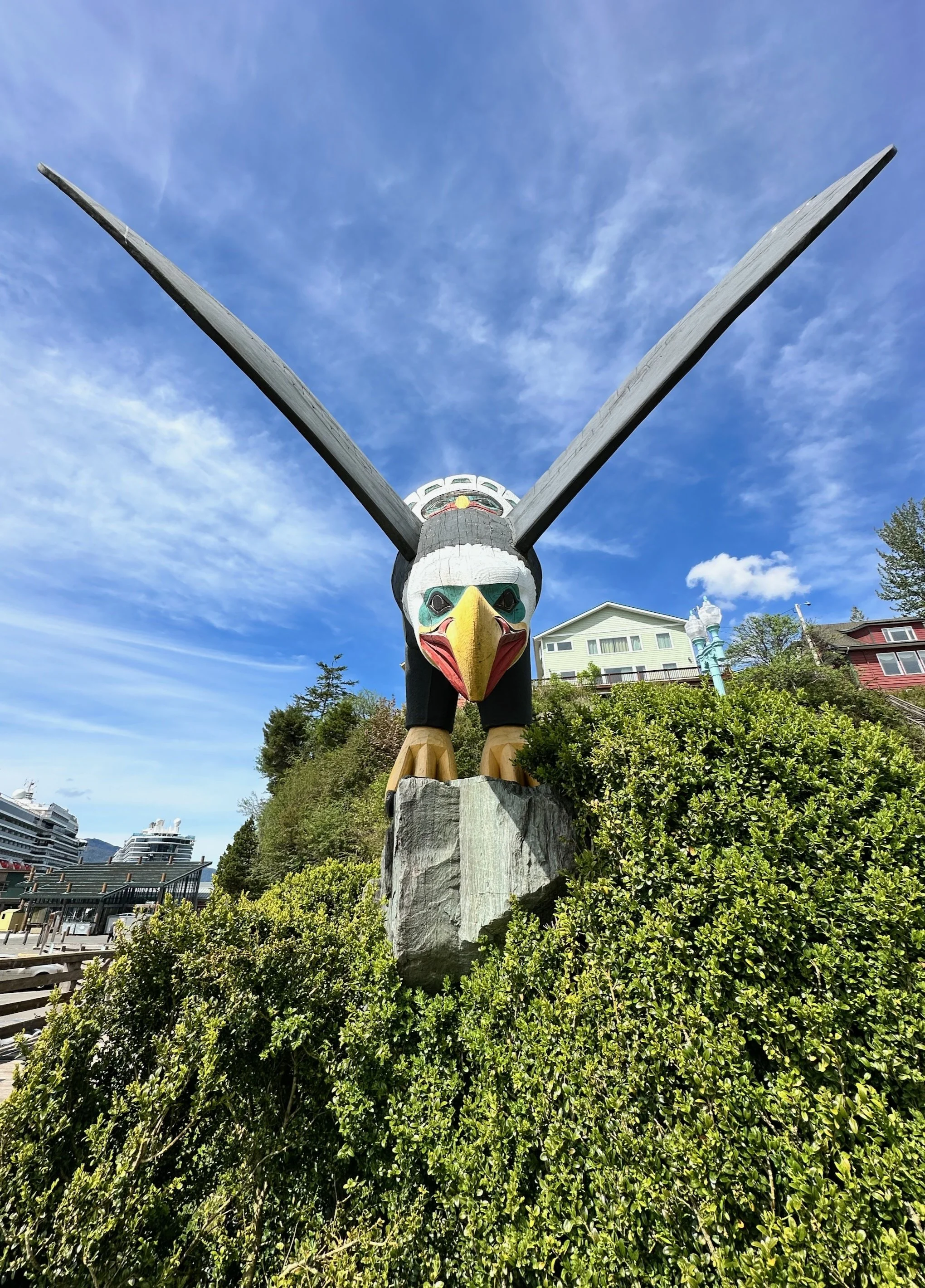
Ketchikan Totem Pole
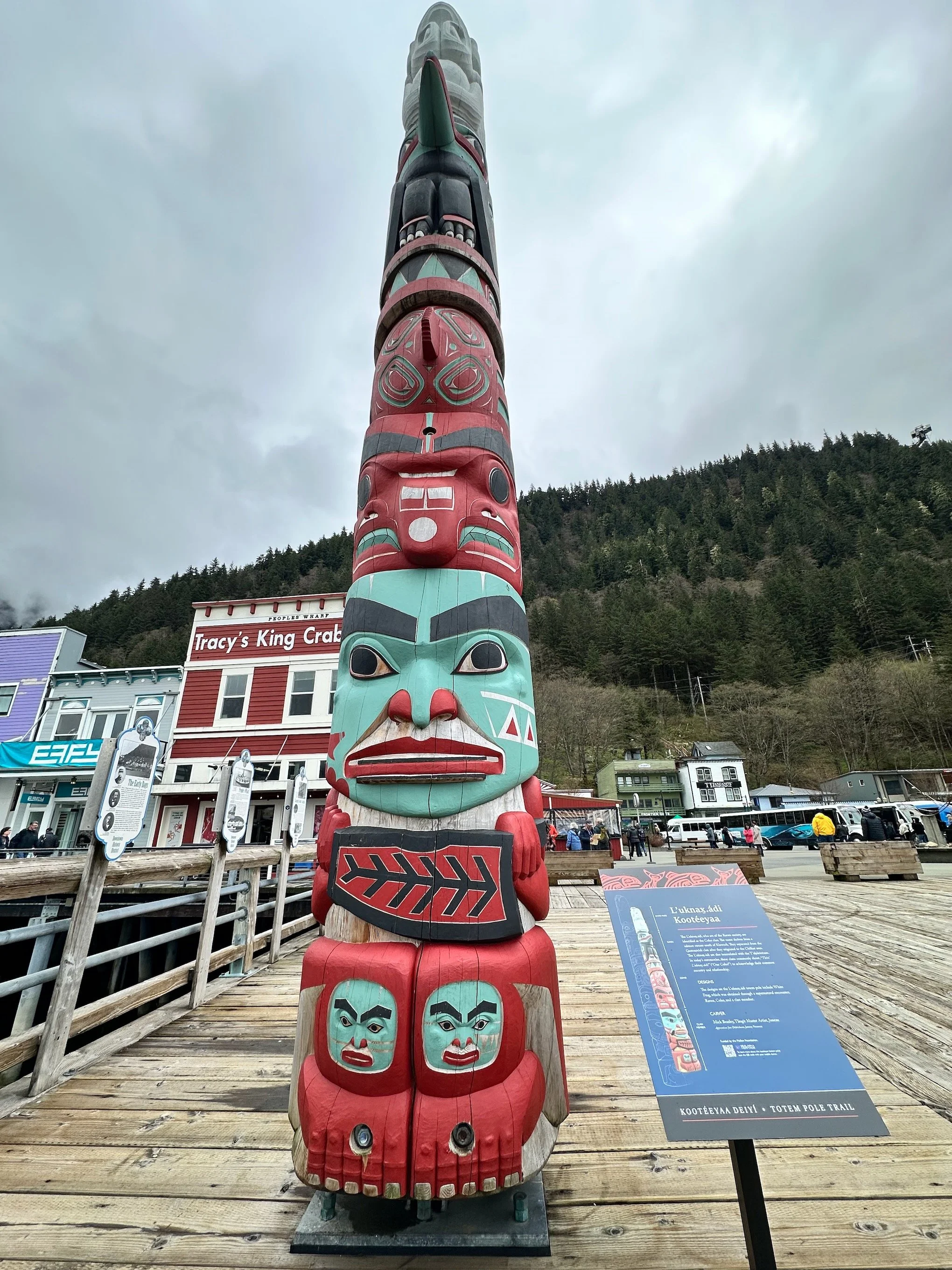
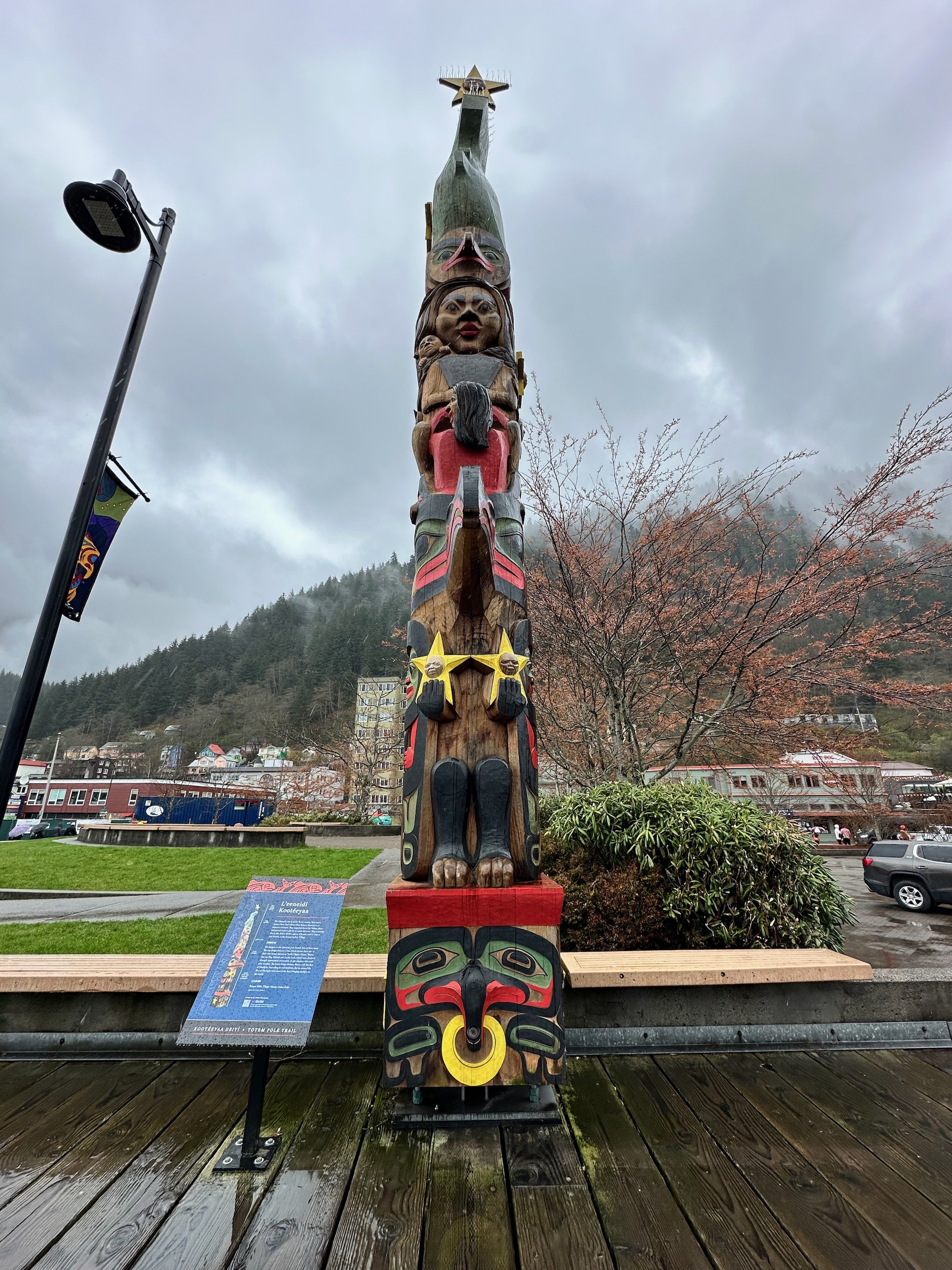
One of the highlights of our visits to Ketchikan and Juneau was learning about the rich tradition of Tlingit artwork and totem pole carving. What may appear at first to be beautiful carvings are actually visual stories that preserve family histories, clan identities, important events, and cultural traditions.
During a visit to a heritage museum, we learned that by the 1970s and 1980s many of the master carvers were aging, and there were few young artists learning the traditional skills. Fearing that centuries of knowledge could be lost, Native organizations and cultural foundations created apprenticeship programs that paired master carvers with younger artists. These programs helped revive the art form and ensure the traditions would continue into future generations.
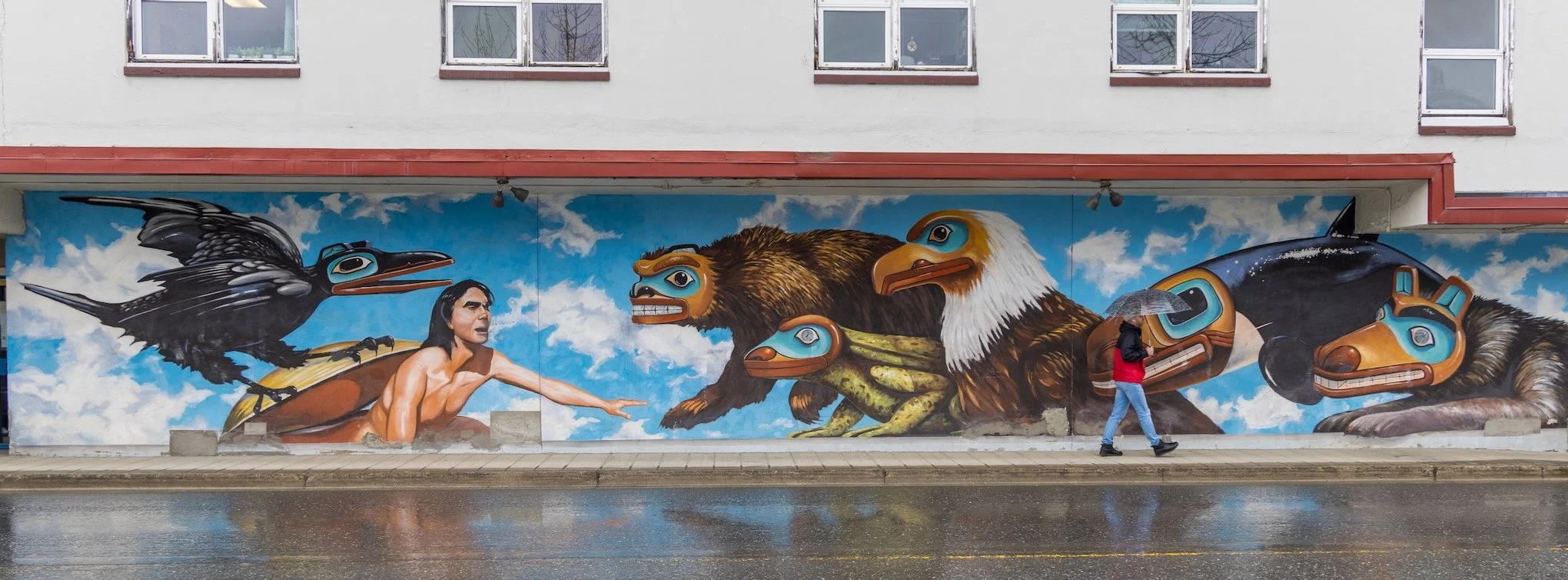
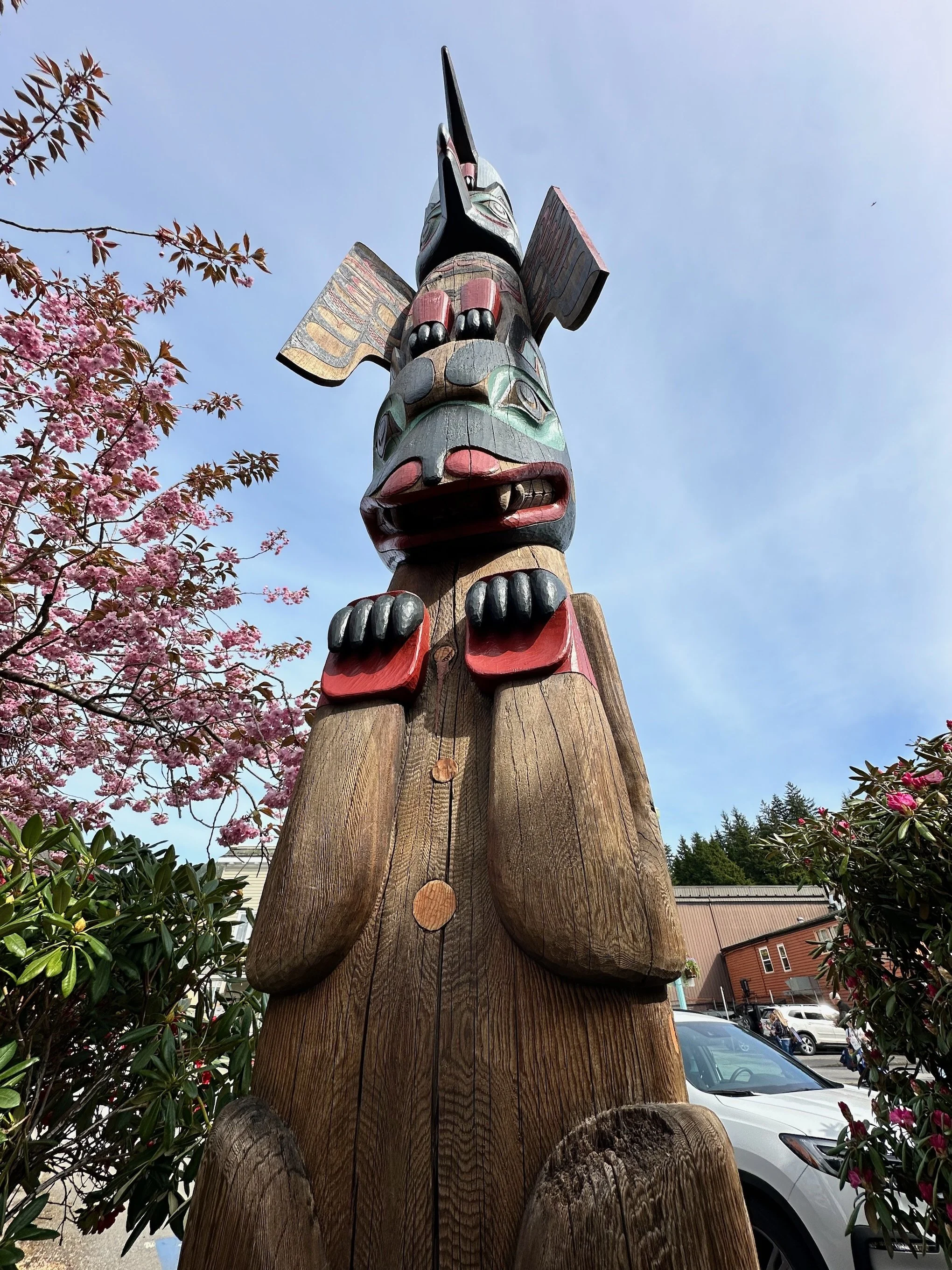
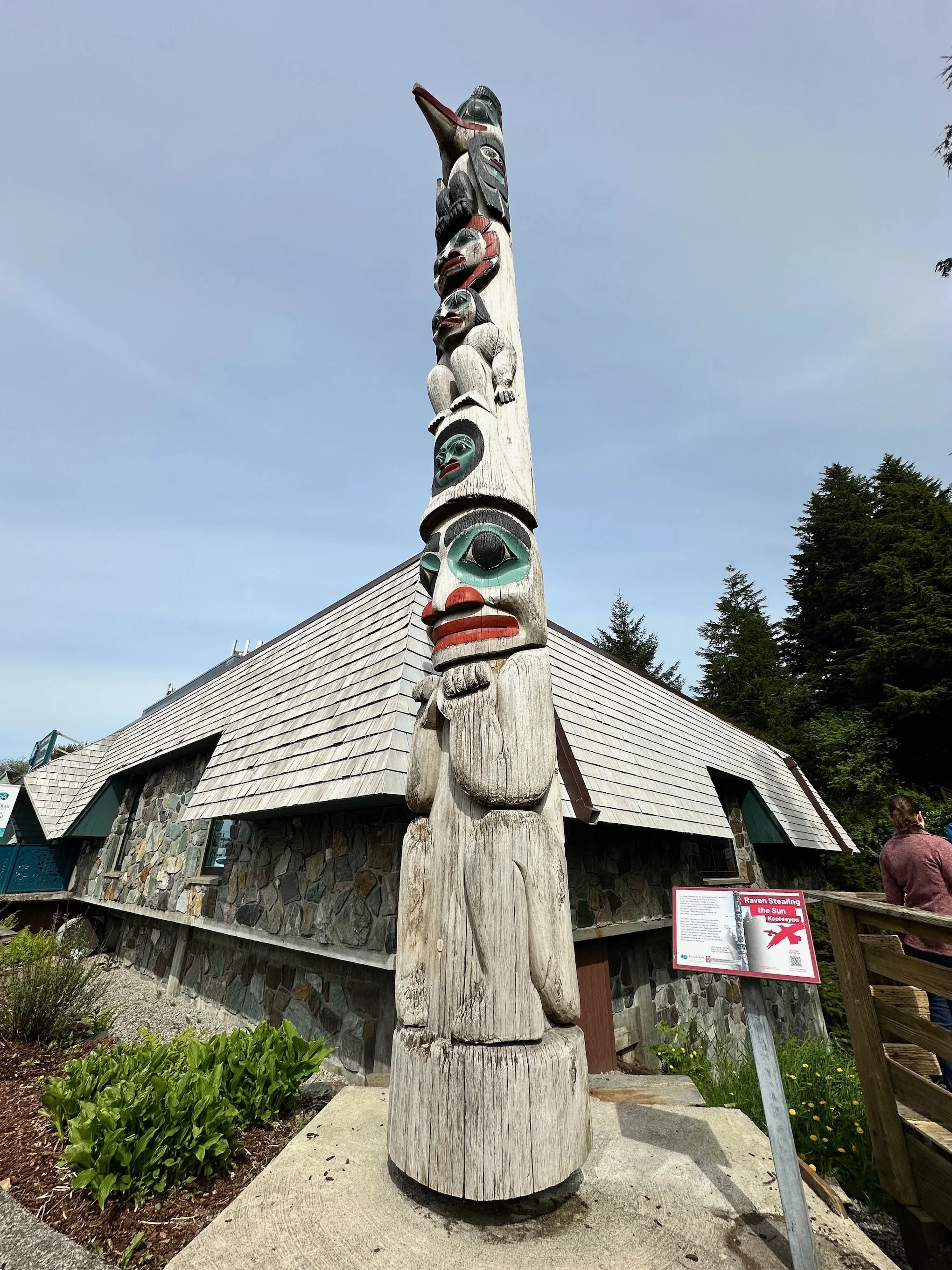
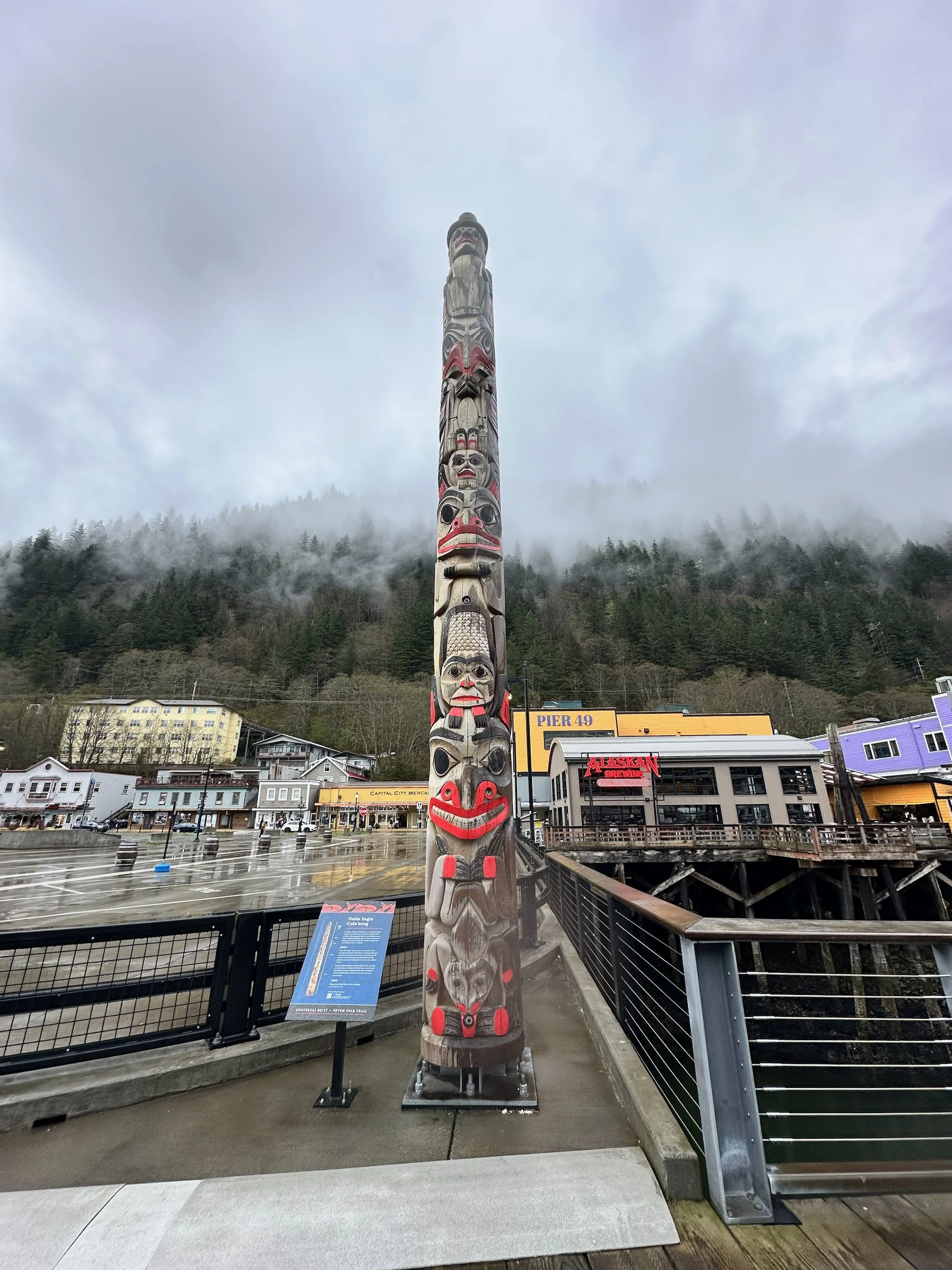
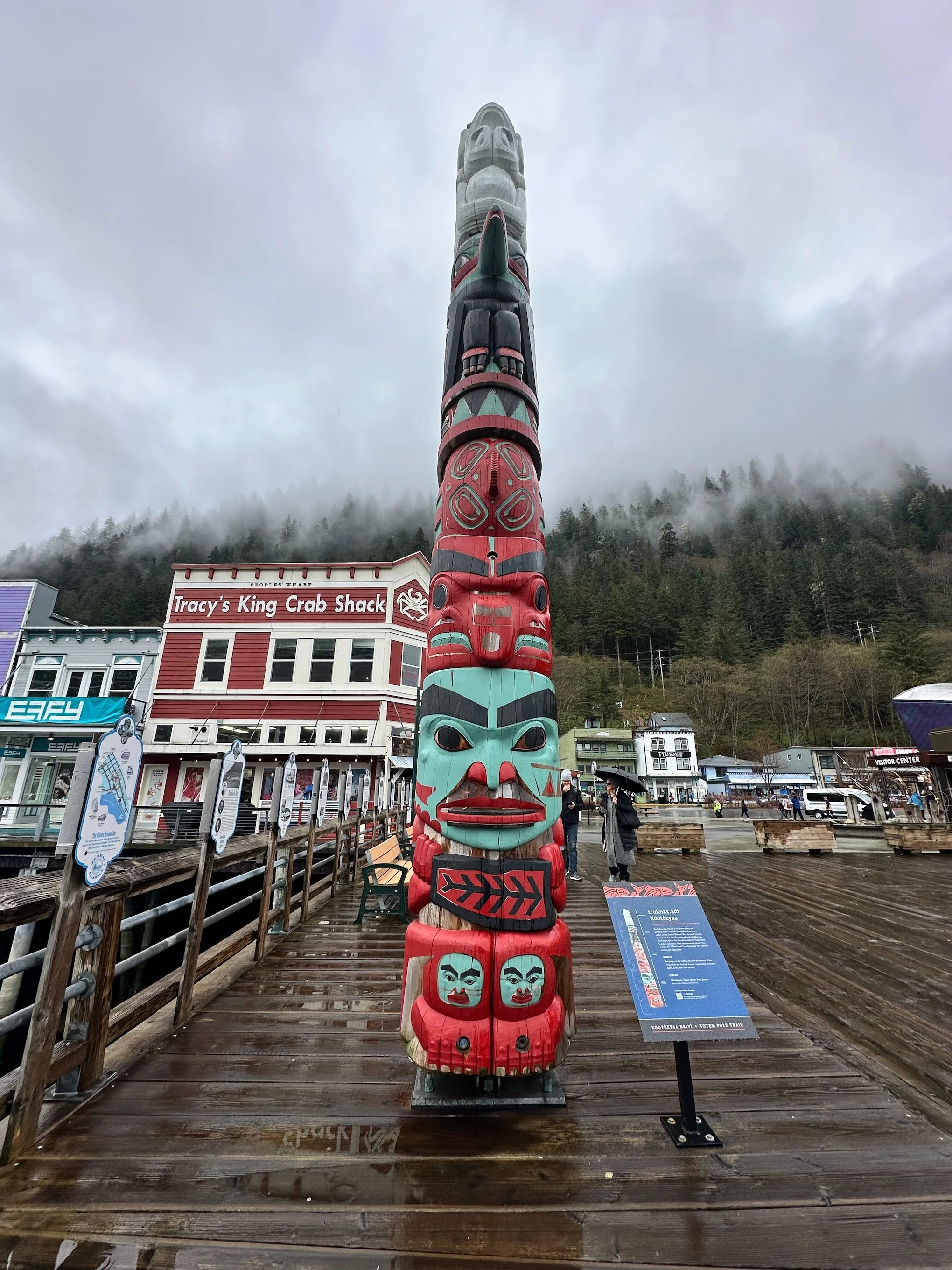
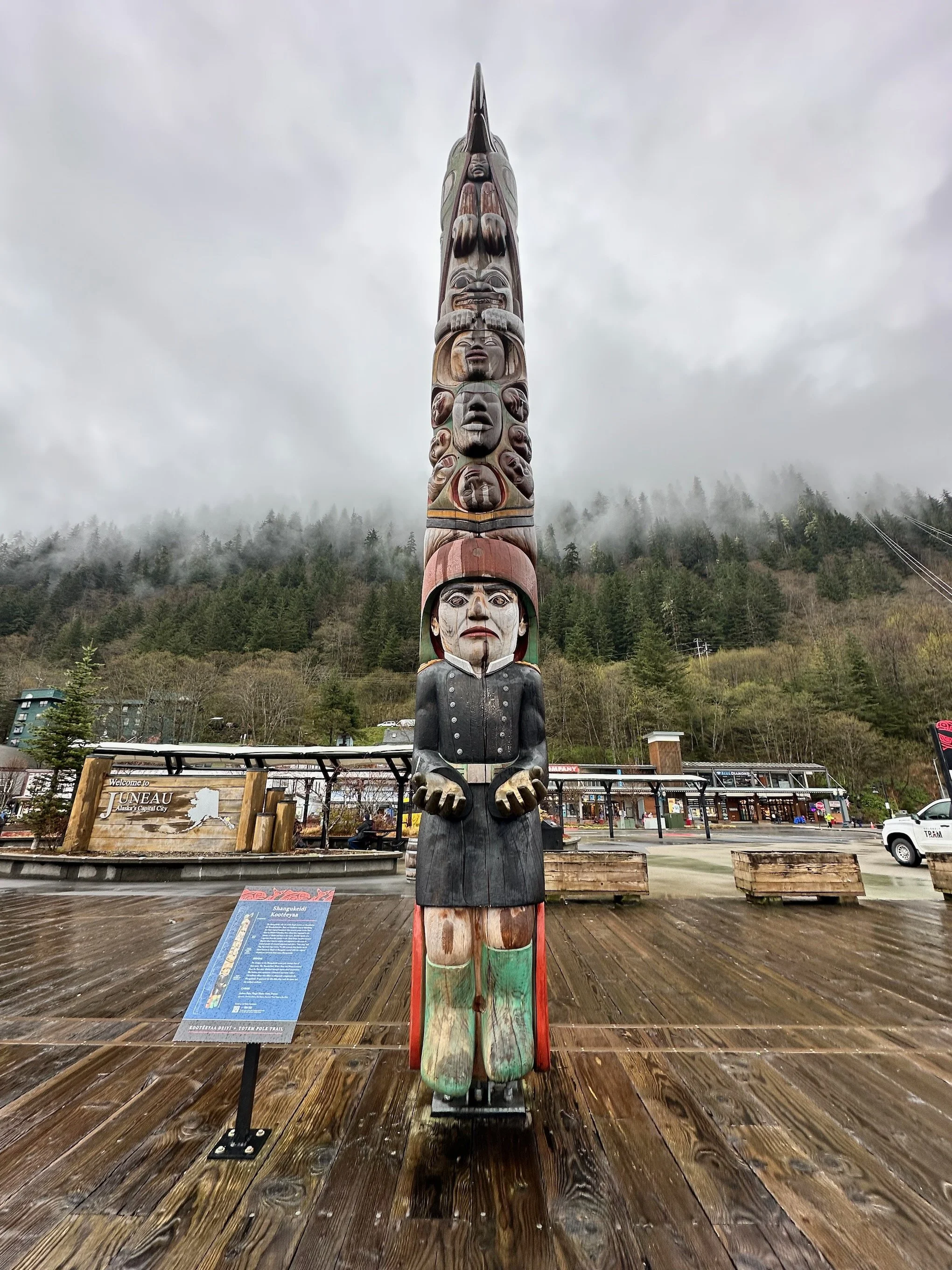
Many totem poles feature animals that carry special meanings. Raven is often associated with creation and transformation, Eagle with leadership and honor, Bear with strength and protection, and Killer Whale with family and guardianship. Each figure contributes to the story being told, making every pole unique.
The poles themselves are typically carved from Western Red Cedar and can take months to complete. While modern tools are often used today, the stories, symbolism, and carving traditions remain deeply rooted in Native culture.
Seeing these poles and other artworks throughout Ketchikan and Juneau gave us a greater appreciation for the artistry and history they represent. Thanks to the efforts of master carvers and their apprentices, these stories carved in cedar continue to be passed on to new generations.
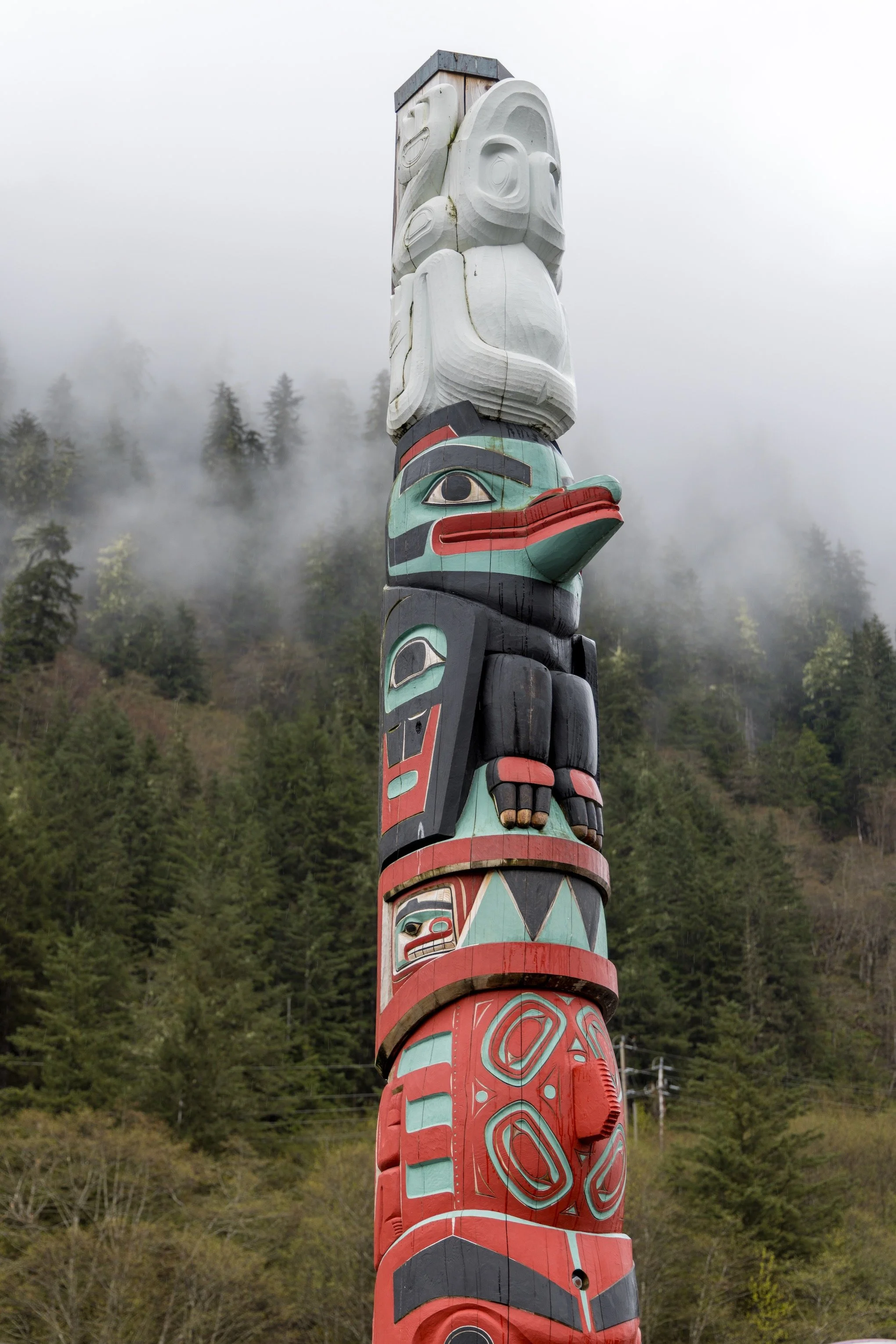
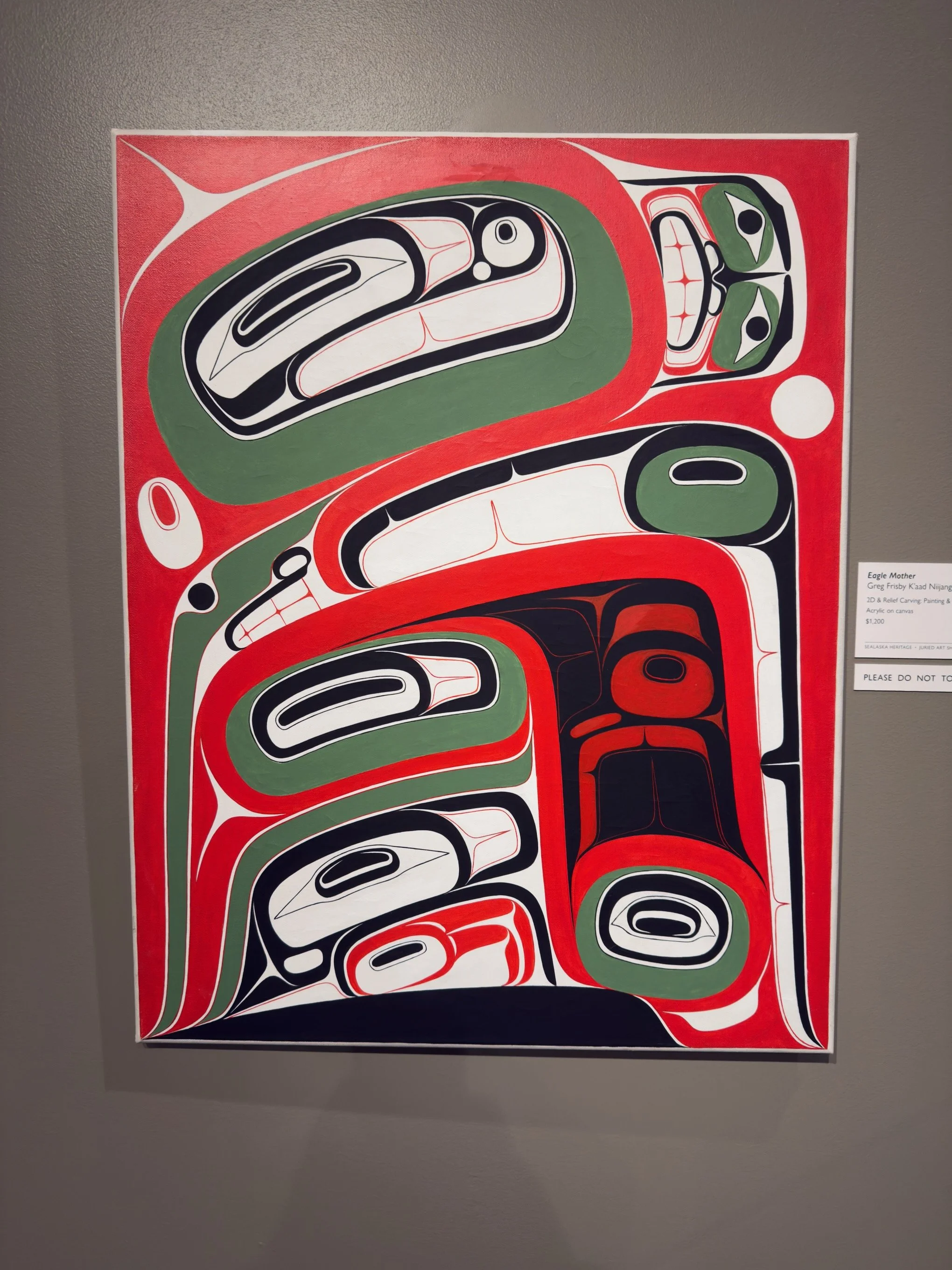
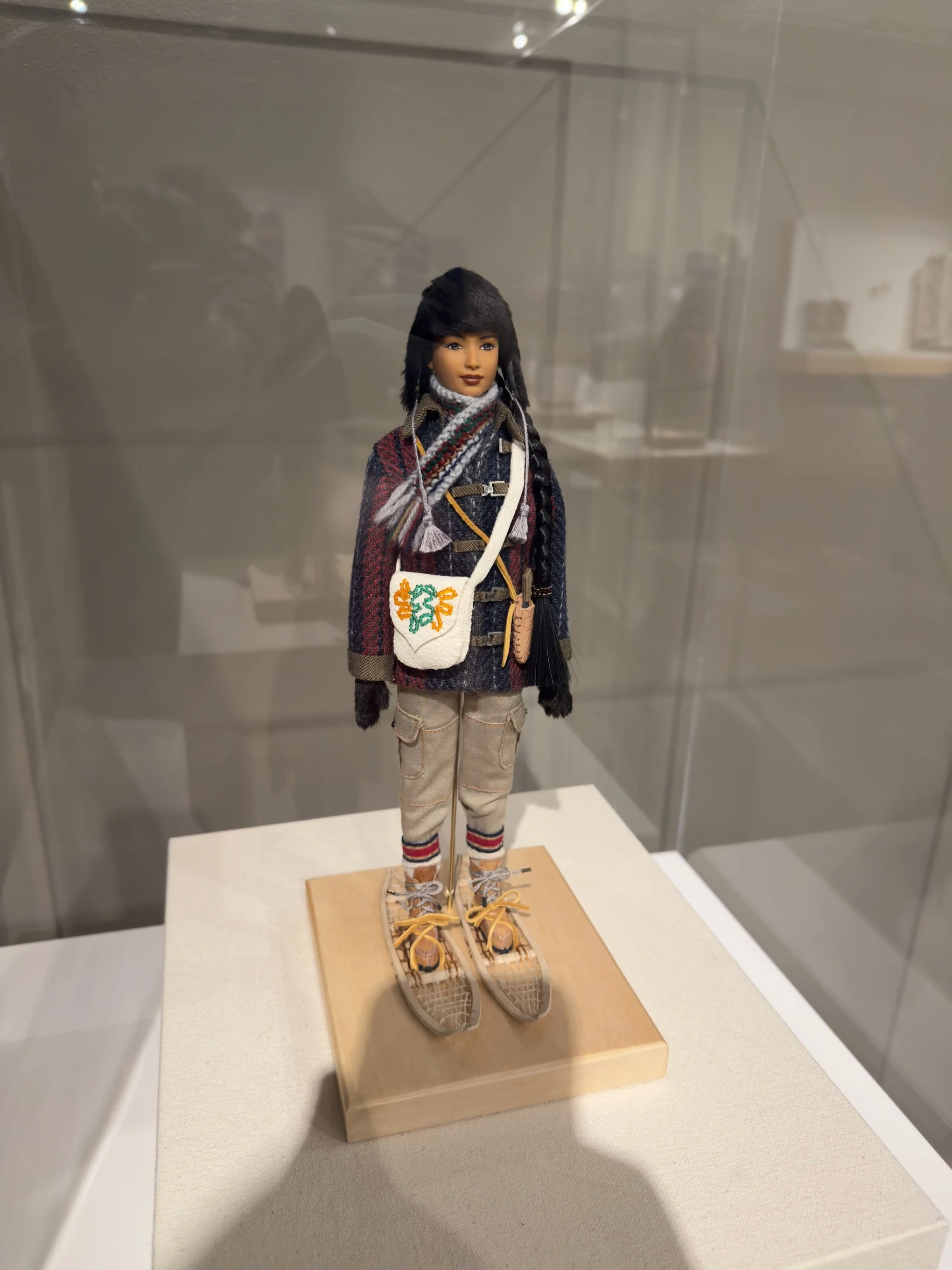
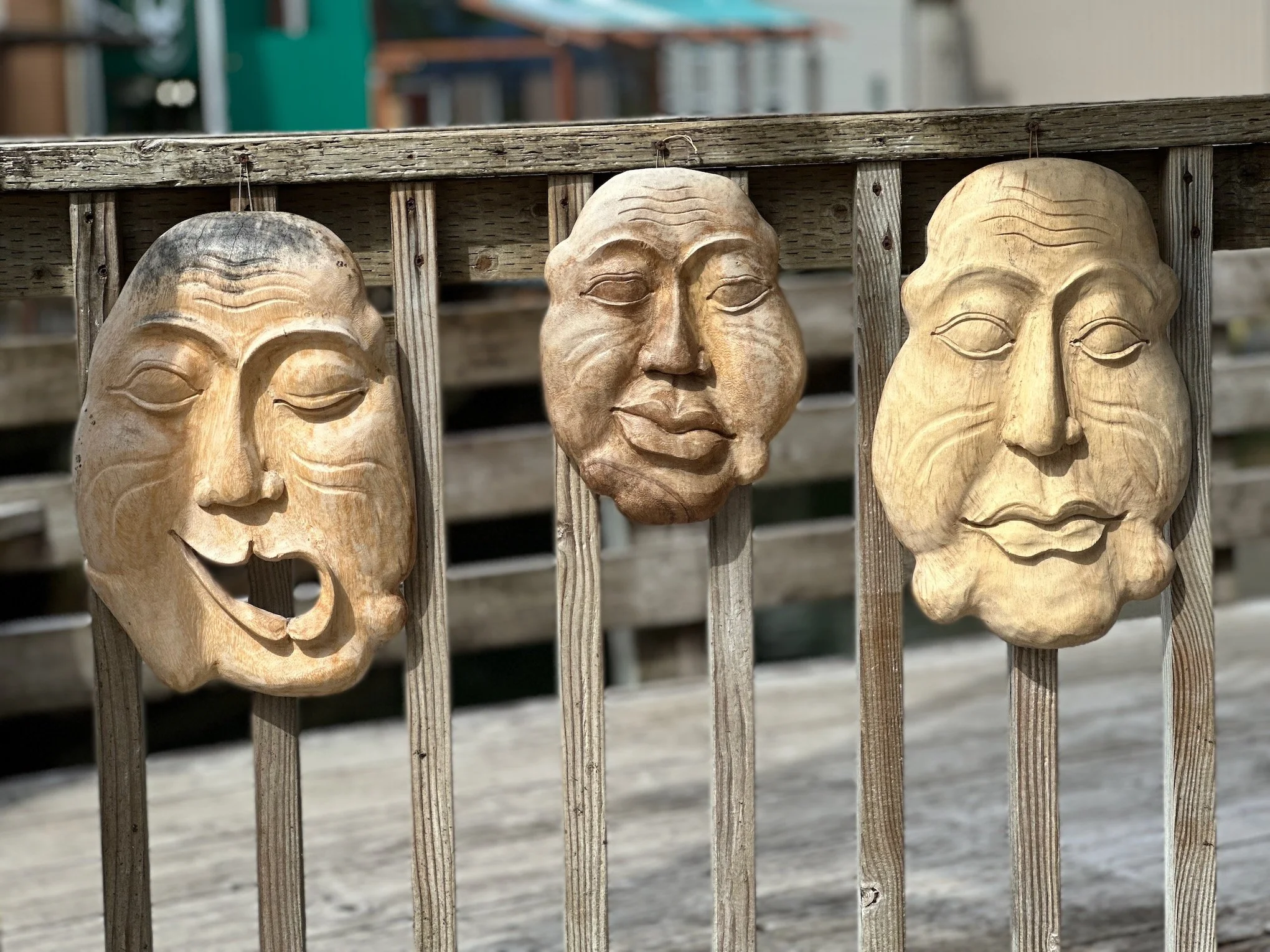
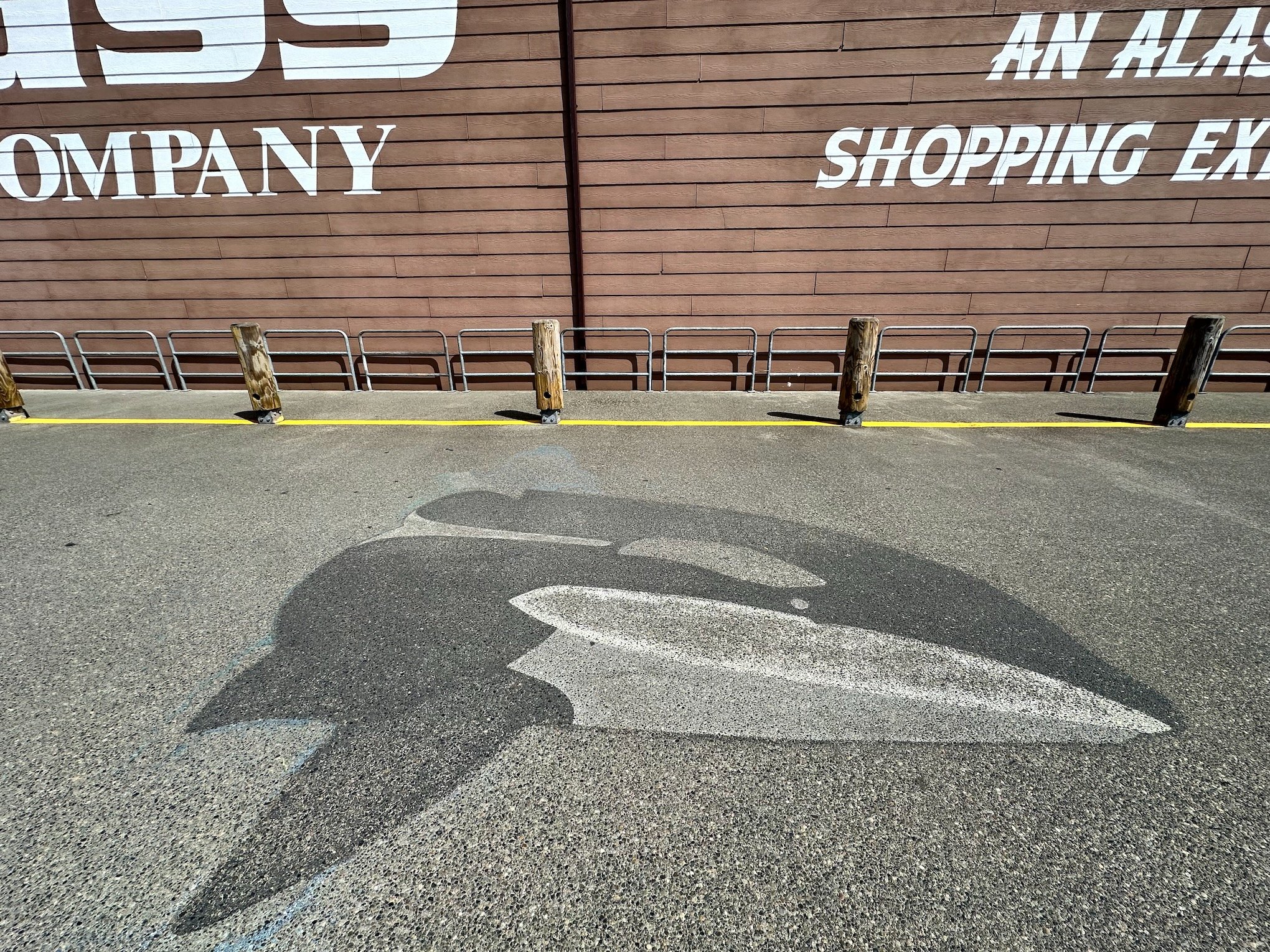
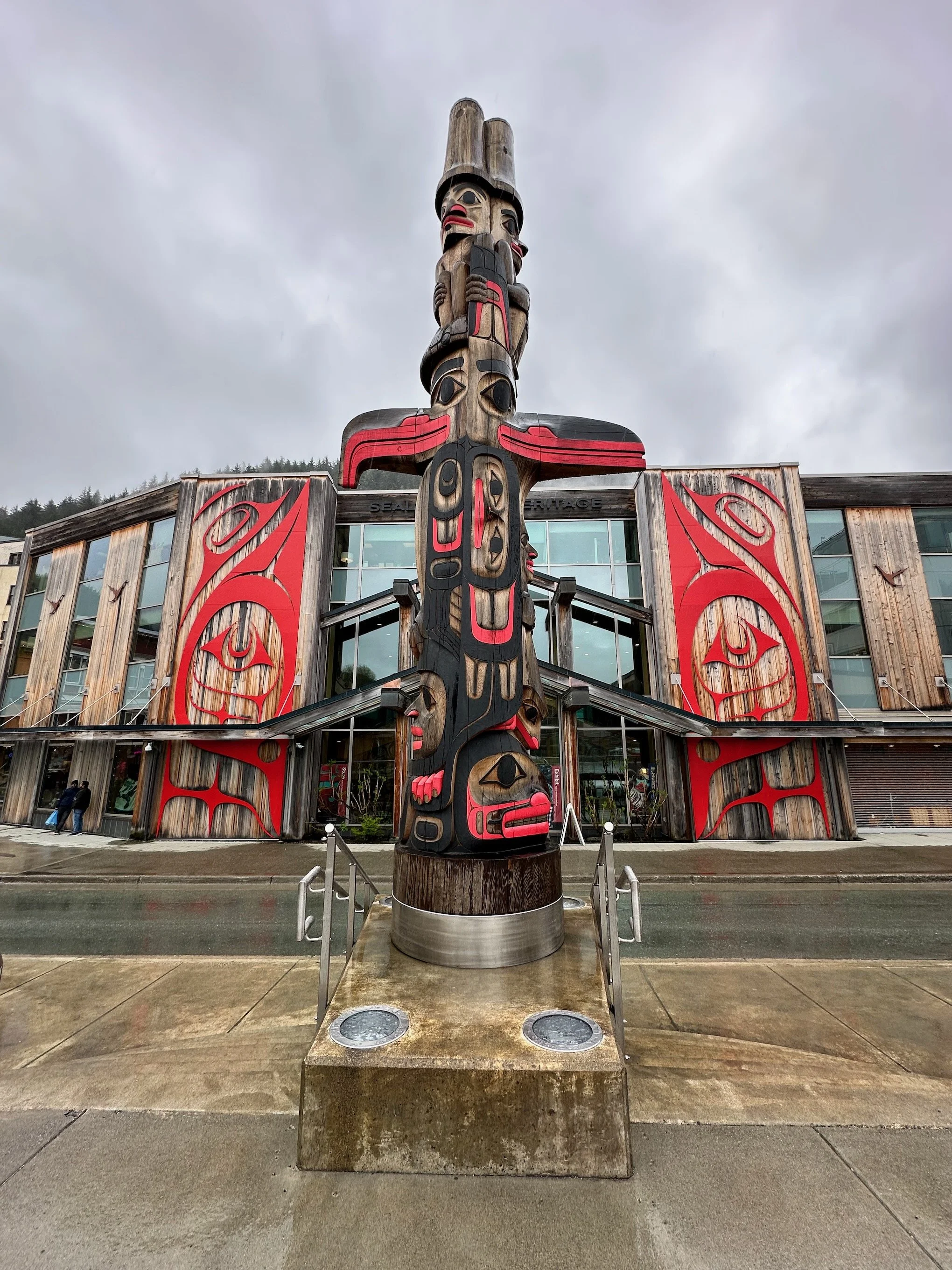
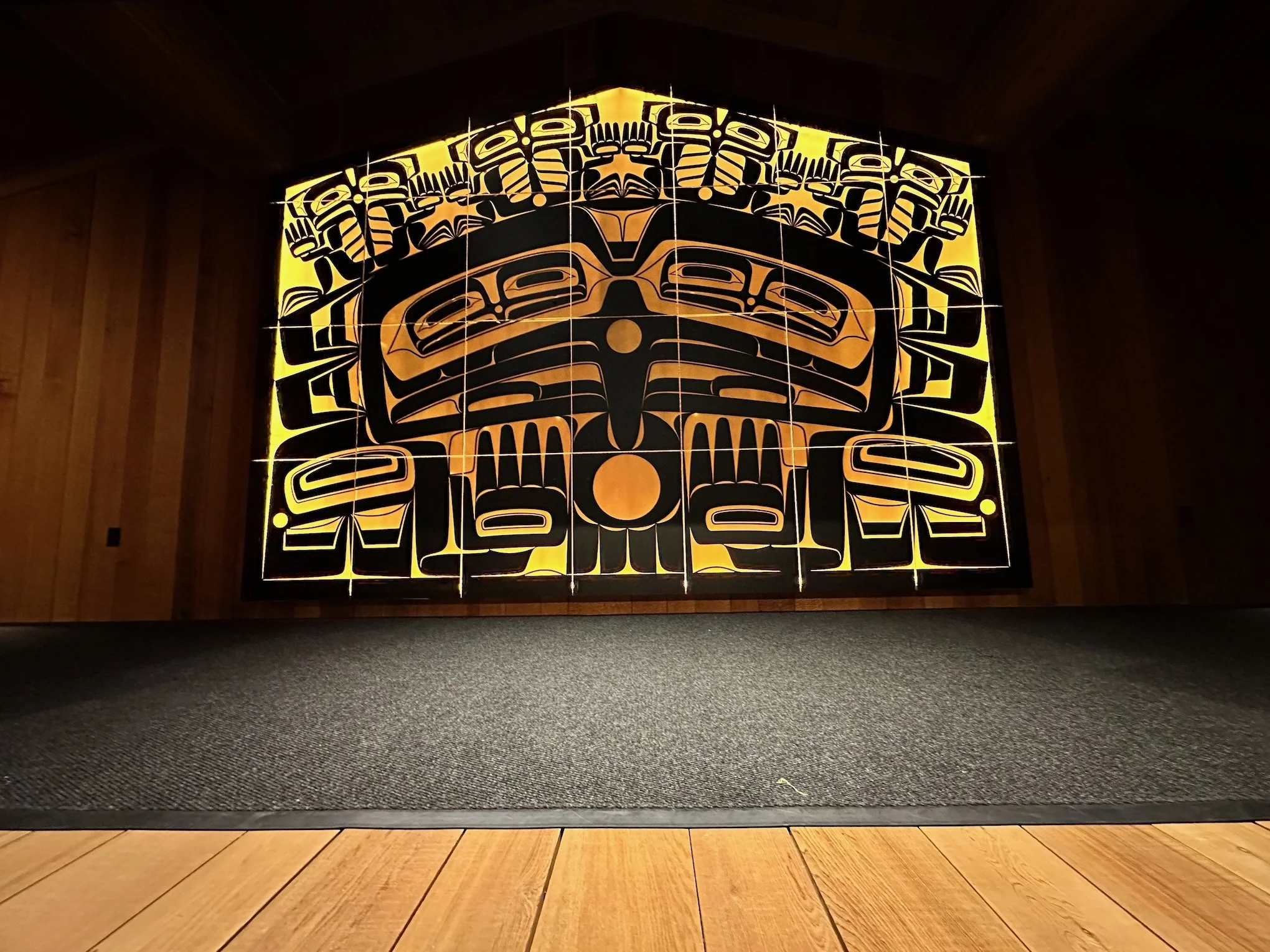
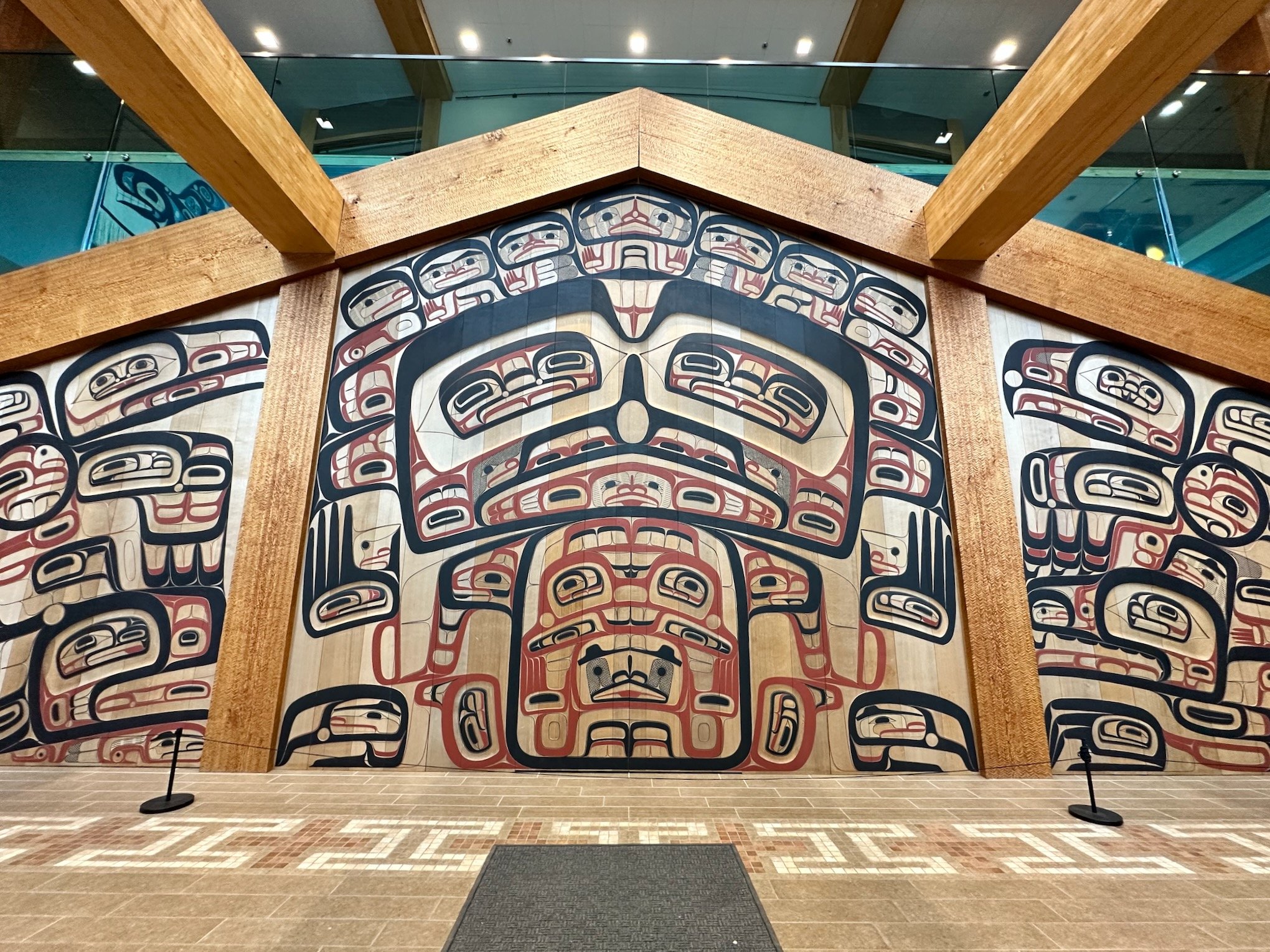
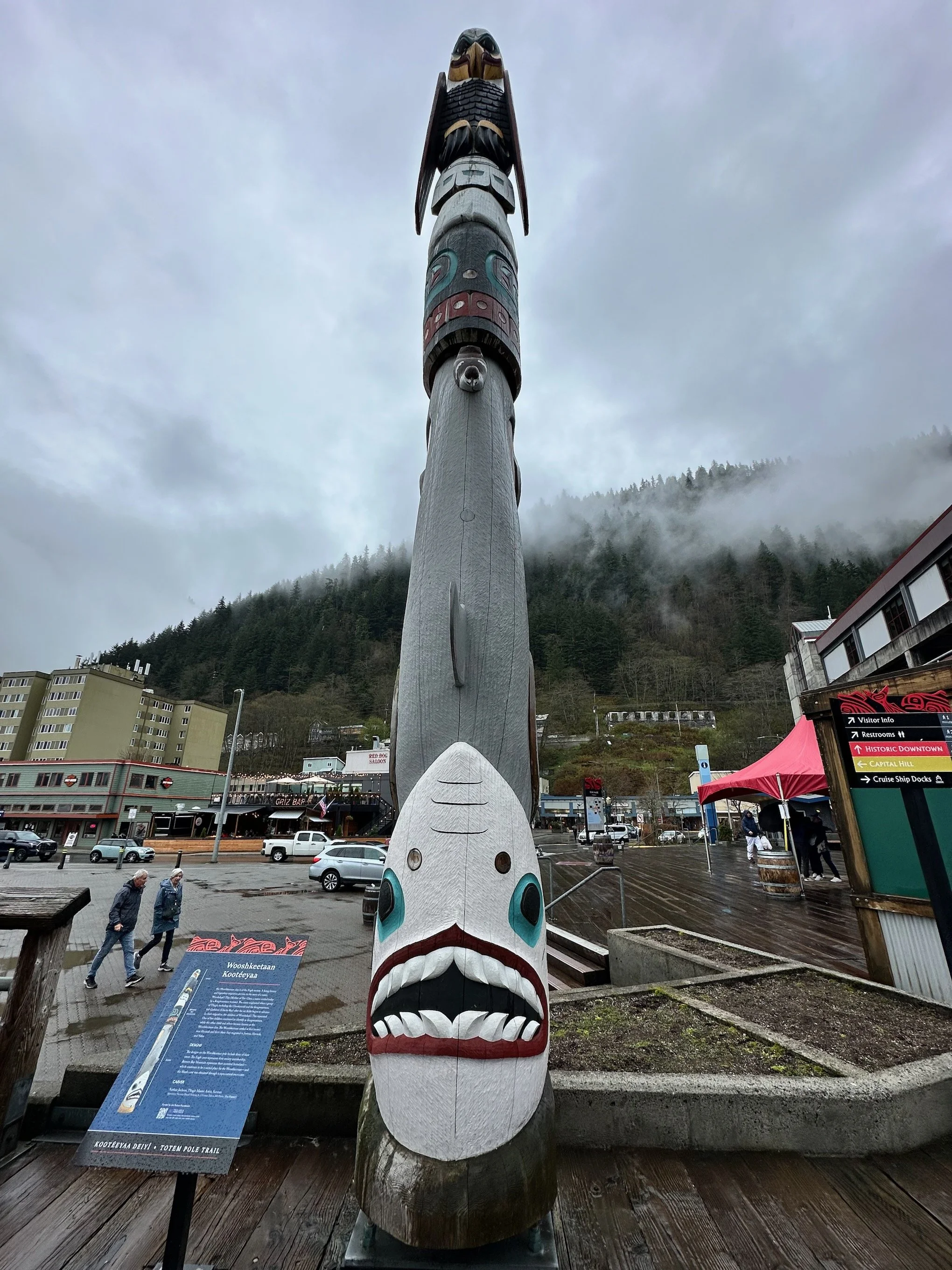
The photos below are a selection of the totem poles and Native artwork we encountered during our travels through Southeast Alaska. Most of these photos were taken by Michele with her iPhone.